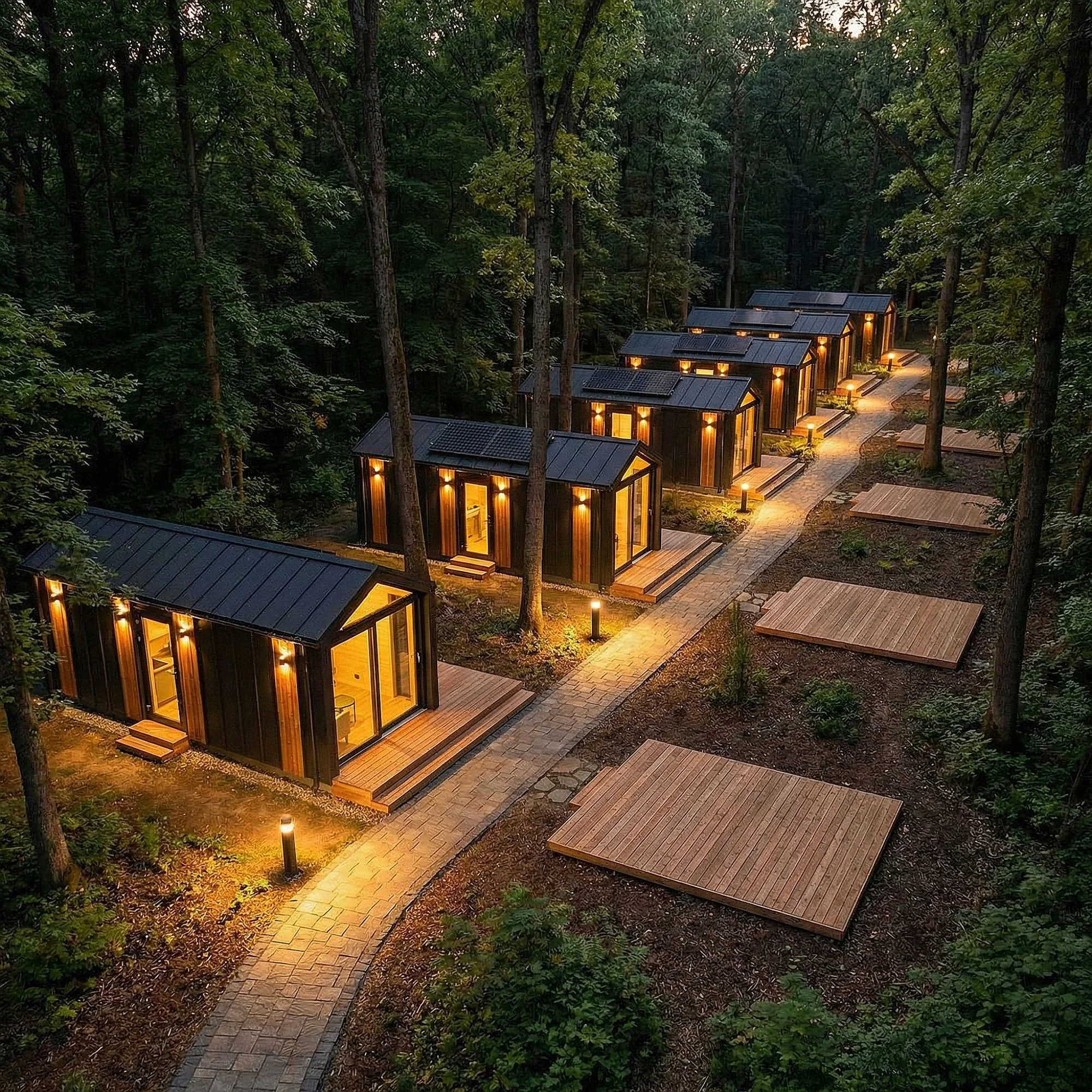
Implement Tiny House Investments in a Structured and Scalable Way
Standardised units, clear cost structure, and scalable project logic for operator and rental concepts.
- Entry from 3 units possible
- Scalable to larger projects
- Predictable costs per unit
B2B Focus · Projects from 3 Units · Response within 24–48h
Profitability Comes from Operations – Not from Purchase
The economic success of a tiny house project doesn't come from the property alone, but from its operation. The key factors are:
- Occupancy rate (booking days)
- Price per night
- Location quality
- Number of units (scaling)
The tiny house is the foundation – the business model emerges through structured use and scaling.
Why This Model Works Right Now
Demand for flexible accommodation is growing – particularly in tourism, short-term rentals, and nature-based concepts. At the same time, investors are looking for scalable, modular solutions that can be developed step by step.
- Rising demand in tourism and short-term rentals
- Flexible use of available land
- Modular expandability instead of single properties
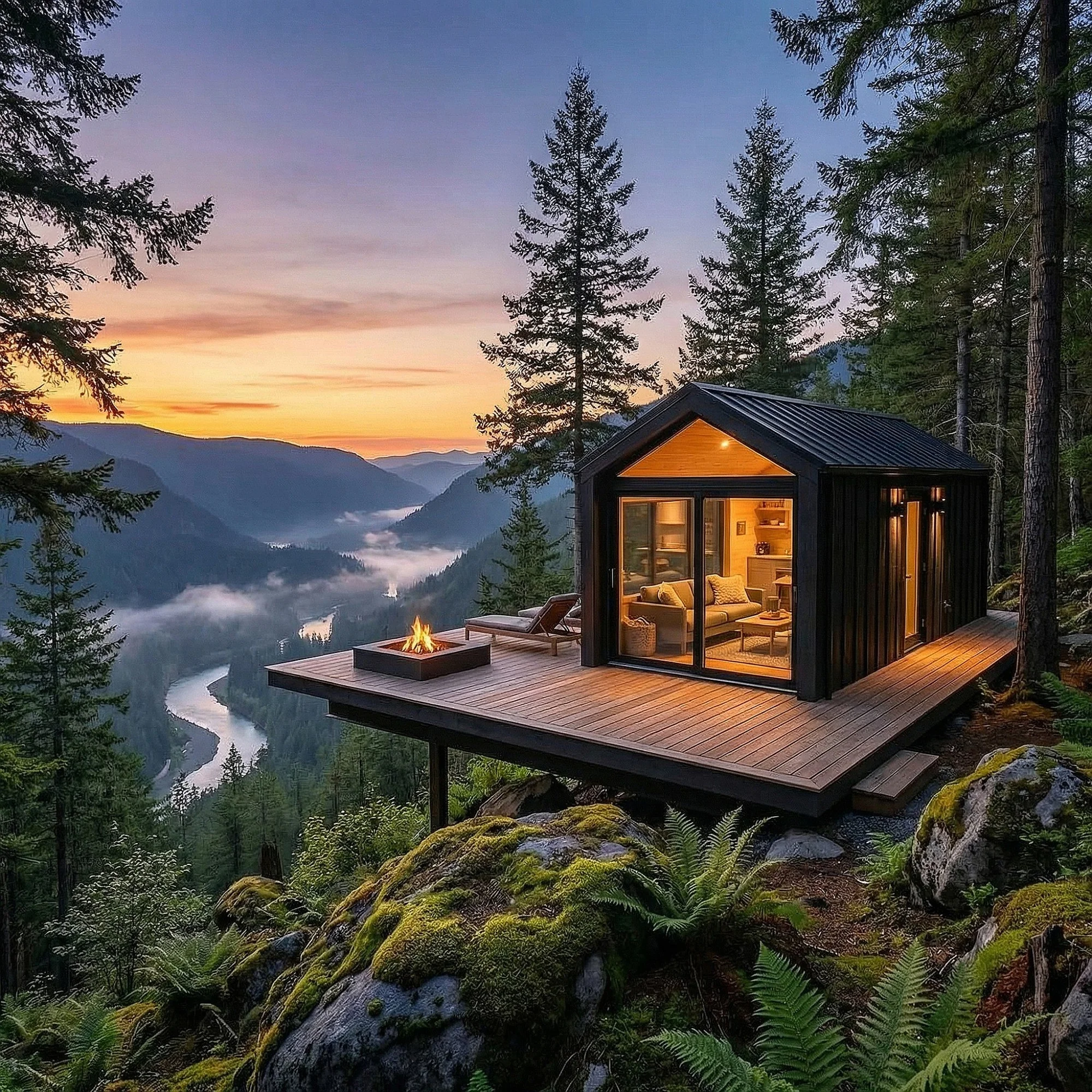
Structured Development Instead of Single Investment
Projects are not conceived as individual properties, but as scalable systems.
3–5 Units
Entry / Pilot Project
5–20 Units
Economically Viable Operation
20+ Units
Scalable System
Development typically occurs in phases – depending on location, occupancy, and operational experience.
Typical Economic Structure of a Project
Revenue Influencing Factors
- Price per night (your own assumption)
- Occupancy (e.g. 120–250 days/year)
- Operating costs / Management
Actual profitability depends entirely on location, operator concept, and occupancy.
Example Model Calculation
Your own assumptions – calculated instantly
Less (typical, depending on model):
- Operations / Cleaning / Platforms
- Management / Operator share
Result: highly dependent on chosen operator and usage concept
This presentation is solely for illustrative purposes and does not constitute a forecast or guarantee.
Our Role in the Investment Model
We provide the foundation for the project:
- Standardised tiny houses
- Predictable cost structure
- Scalable delivery capacity
We are neither operators nor concept providers. We are the implementation partner for the physical infrastructure.
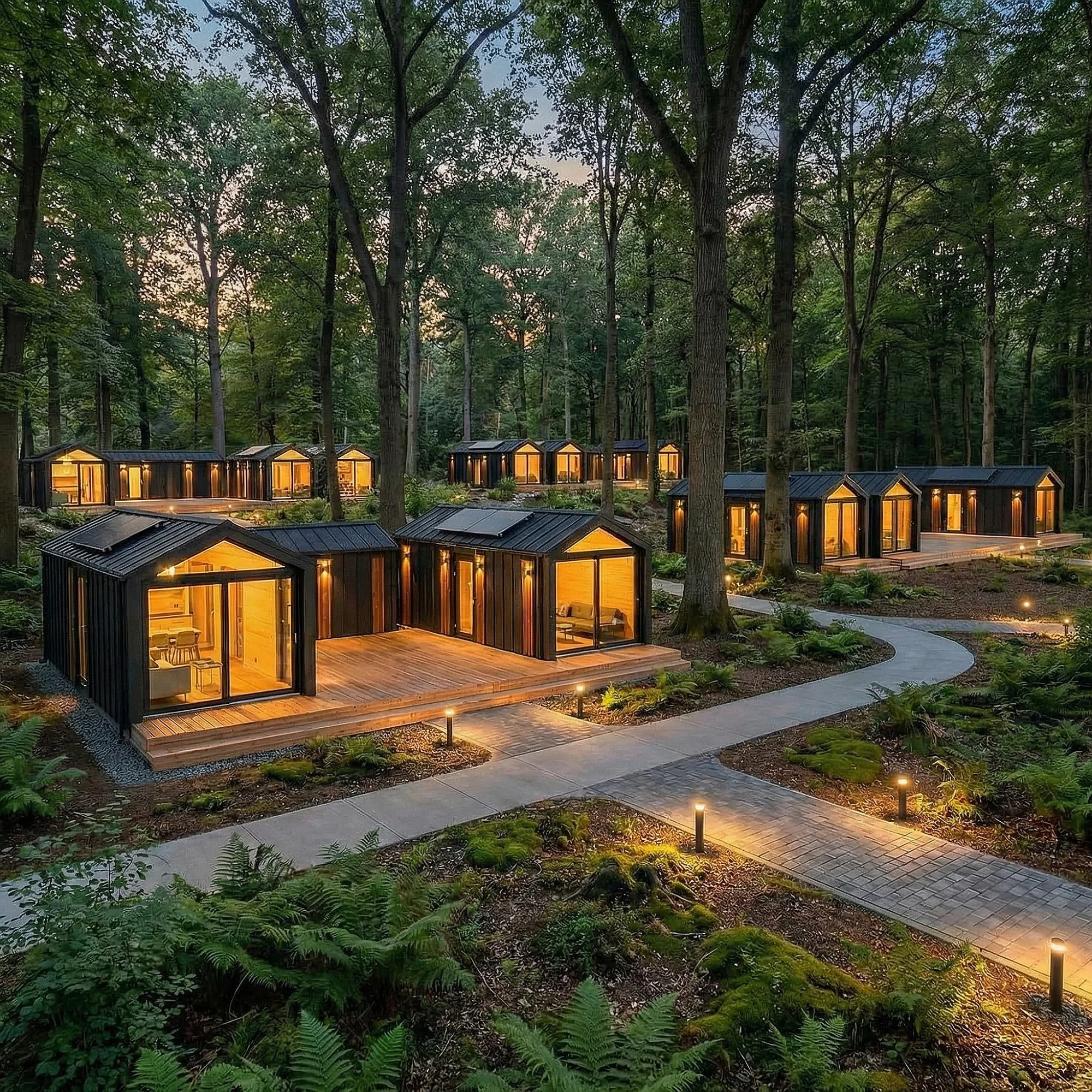
The Leverage Is in the Number of Units
Individual units can work economically – but true stability comes from scaling.
Better occupancy through broader offering
More efficient operational structures
Risk distribution across multiple units
Who This Model Is Suited For
Investors focused on real estate and operations
Entrepreneurs with an operator concept
Groups / Co-investments
Project developers with access to land
Review Project Structure and Secure Capacity
Capacity is allocated on a project basis. Early coordination enables structured planning and implementation.
- Projects from 3 units
- Scalable implementation
- Response within 24–48 hours
Frequently Asked Questions
No. Profitability depends on the operator concept, location, and occupancy.
No. The tiny house is the foundation – results come from operations.
No. We deliver the units and provide support on a technical level.
Yes, entry is possible from 3 units.